Price per kg: ₹230/kg++
Price per pack: ₹5,750.00
📦 For bulk orders & Cash On Delivery, enquire on WhatsApp!
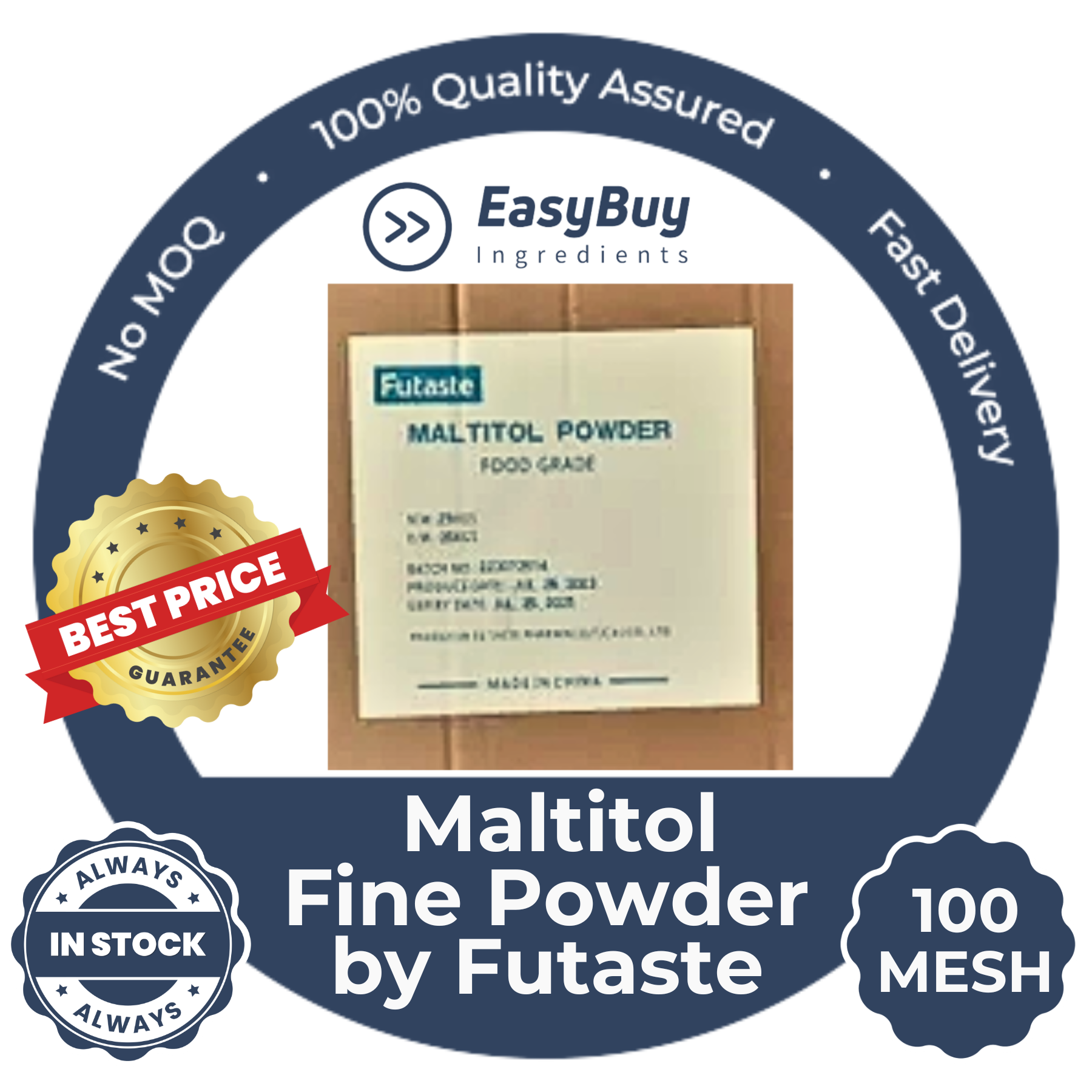
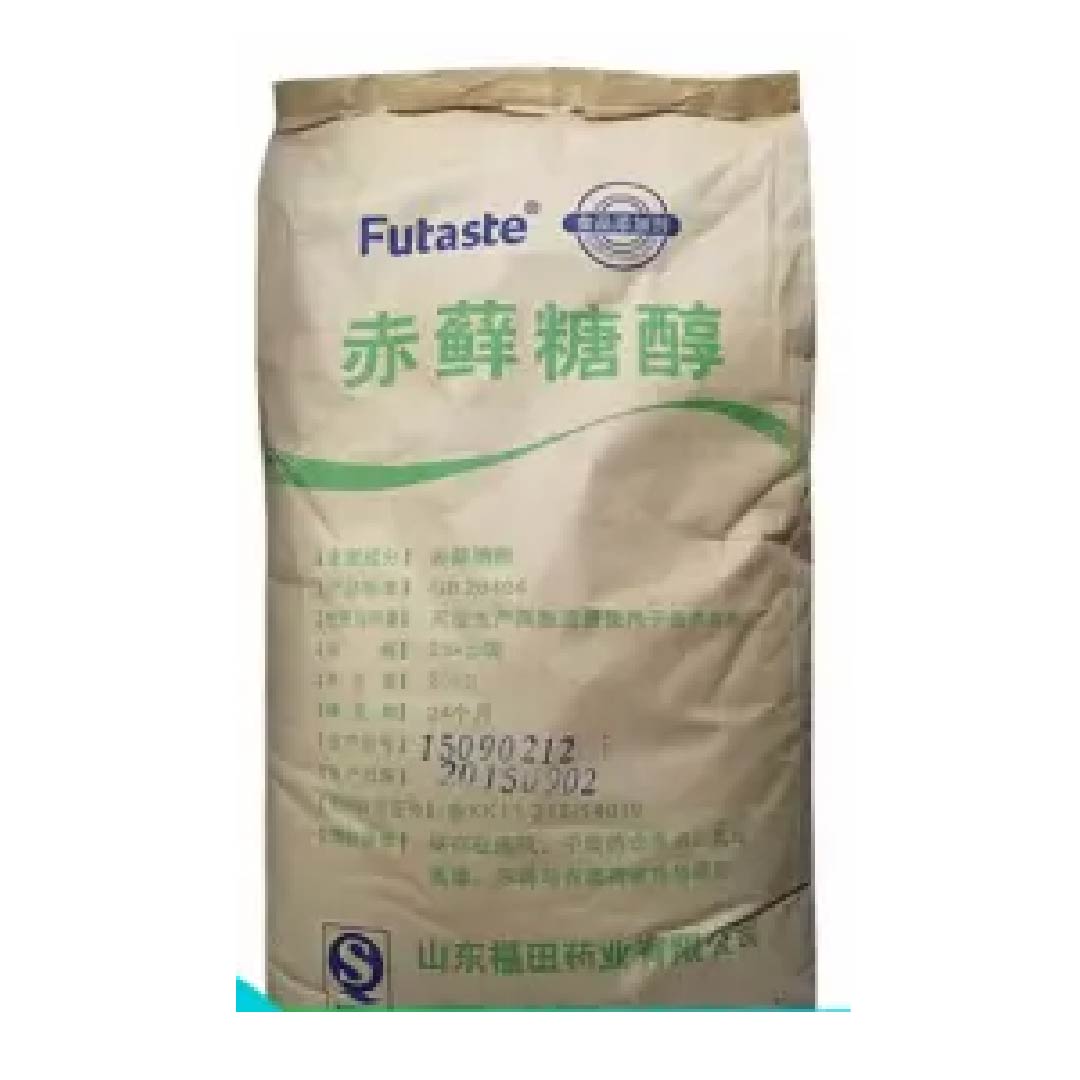
Maltitol Fine Powder by Futasteis a low-calorie artificial sweetener. It is a sugar alcohol and is synthesized by hydrogenation of starch. It is used in multiple applications across the food and beverage industry as a sugar replacement or reduction option.

Discount on Bulk Orders

No MOQ

Express Shipping
Maltitol Fine Powder by Futaste is a low-calorie artificial sweetener. It is a sugar alcohol and is synthesized by hydrogenation of starch. It is used in multiple applications across the food and beverage industry as a sugar replacement or reduction option.
Characteristic Features:
More Details:
| Product Name | Maltitol Powder |
|---|---|
| Product Use | Food and Beverage industry |
| Flavour and taste | Mild sweetness |
| Colour | White |
| Sweetness | 70% of sugar |
| Storage Conditions | Keep in Cool and Dry Conditions |
| Brand | Futaste |
Maltitol (available in both powder & syrup forms) is a sugar alcohol commonly used as a low-calorie sweetener in sugar-free and reduced-sugar products. It is derived from maltose, a sugar found in corn syrup, through a hydrogenation process.
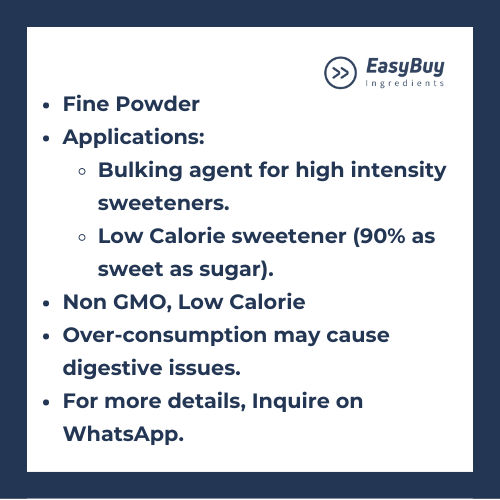
Maltitol is about 90% as sweet as sugar but contains fewer calories, making it a popular choice for people looking to reduce their calorie intake or manage blood sugar levels. It has a similar taste and texture to sugar and can be used in a variety of foods, including candies, chocolates, baked goods, and beverages.
While maltitol is generally considered safe for most people, it can cause gastrointestinal side effects such as bloating, gas, and diarrhea, especially when consumed in large amounts. Individuals with digestive disorders such as irritable bowel syndrome (IBS) may be more sensitive to these effects. It’s important to consume maltitol in moderation and be aware of how your body reacts to it.
It is commonly used as a bulking agent for high-intensity sweeteners (HIS) such as sucralose, acesulfame K and stevia. HIS are several times sweeter than sugar, but they are often much lighter in weight and lack the volume that sugar provides in recipes.
Maltitol is added to provide the necessary volume and texture in products like tabletop sweeteners, sugar-free candies, and beverages.
This combination allows for the creation of sugar-free or reduced-sugar products that closely mimic the taste and texture of their sugary counterparts. Maltitol’s ability to provide bulk and sweetness without the calories of sugar makes it a valuable ingredient.
It provides a sweet taste similar to sugar but with fewer calories, making it suitable for individuals looking to reduce their sugar intake.
Maltitol is often used in products such as candies, chocolates, baked goods, and beverages to provide sweetness and texture. Its ability to retain moisture also makes it a popular choice for use in products that need to maintain a soft or chewy texture.
Maltitol’s versatility and sugar-like taste make it a valuable ingredient for creating a wide range of low-calorie and sugar-free food and beverage products.
Maltitol is produced through the hydrogenation of maltose, a starch derivative. The process involves combining maltose with hydrogen in the presence of a catalyst, typically a nickel catalyst, at high temperature and pressure. This reaction converts the maltose into maltitol, a sugar alcohol.
The resulting maltitol is then purified and crystallized to produce a white, granular powder that is about 90% as sweet as sugar. Maltitol can also be produced from other carbohydrates, such as sorbitol or glucose, through similar hydrogenation processes.
The price and availability of maltitol can vary depending on demand, production costs, and market conditions. Generally, maltitol has stable prices on a quarterly basis, and is readily available in 25kg packs across the year due to competitive production scale and multiple brands providing this product.
Yes, maltitol is Generally Regarded as Safe for pregnant women.
It is not recommended for infants as it can be safe in small quantities, but can cause digestive distress to their developing digestive system.
Common side effects of erythritol include digestive issues such as bloating, gas, and diarrhoea, especially when consumed in large amounts. Very few people may also experience allergic reactions.
No, it does not have caramelising properties.
It is added to Sucralose and other High Intensity sweeteners as a bulking agent to provide sugar like crystal texture and desired sweetness level without imparting added calories.
Maltitol (E965) is generally regarded as safe when taken in moderate quantities.
Click here to find out where Maltitol stands among other sugar alcohols.
Click here to access the Codex Alimentarius page (WHO) of Maltitol.
We partner with top ingredient manufacturers known for their quality and reliability. Additionally, we provide detailed product information and certifications to help you make informed choices. Your satisfaction with the quality of ingredients is our priority.
The Certificate of Analysis (COA) is industry best practices to understand the quality of an ingredient.
It includes the characteristics, quality and compliance standards of the ingredient.
At EasyBuy Ingredients, we provide COA with every bulk order. If you are ordering the products of brand “Ori” from us then we provide COA with every small order too.
There is no MOQ (Minimum Order Quantity). We provide samples too!
You can call or WhatsApp us on +91 95553 07292 and talk with our Support Team.
Yes, we offer express shipping to ensure that you receive your order quickly and efficiently.
Shipping details will be shared to you on email and WhatsApp.
EasyBuy Ingredients is a food ingredient marketplace that offers professional grade food ingredients from top manufacturers in the world.
We take pride in serving both large and small orders, and we have no minimum order quantity (MOQ) requirements.
Whether you need a small sample or a bulk order, our platform simplifies the procurement process, saving you time and money while ensuring speedy deliveries.
Experience smart procurement with EasyBuy Ingredients today.
We serve these categories of ingredients:
1. Sweeteners
2. Hydrocolloids
3. Bakery Ingredients
4. Nuts
5. Fibers
6. Nutraceuticals
7. Cocoa Powder
8. Other Speciality Ingredients
We have food ingredients from popular brand like:
1. Cargill
2. Tata Chemicals
3. JB Cocoa
4. Mitsubishi Corporation
5. Arboreal Stevia
6. Ori
and many more!
Placing an order with us is simple. Just browse our extensive ingredient catalog, select the items you need, and add them to your cart. Proceed to checkout, provide the necessary details, and your order will be on its way.
You can also call or WhatsApp us on +91 95553 07292 and talk with our Sales Consultant to get your order placed.
We accept various payment methods, including credit cards, debit cards, and bank transfers. You can find the complete list of accepted payment options during the checkout process.
Once your order is shipped, we provide tracking information so you can monitor its progress. You can use the provided tracking number for real-time updates.
Yes, we offer the option to inquire about custom or specialty ingredients. Contact our customer support team with your specific requirements, and we’ll work with our network to fulfill your request.
You can call or WhatsApp us on +91 95553 07292 and talk with our Support Team.
Yes, we often provide discounts for bulk orders.
Whether you are an upcoming startup or a global brand – anyone in the food manufacturing business knows finding the best ingredients at the best prices is critical to thriving in this industry.
But delayed deliveries, lack of transparent pricing, and rigid minimum order quantity constraints mean that businesses often waste precious time finding quality certified ingredients at the best prices and then waiting for them to get delivered.
EasyBuy Ingredients is a tech-enabled B2B food ingredient marketplace that lets you procure from the top ingredient manufacturers in the world at the best prices in the industry.
Whether you are ordering a 5-gram sample or a bulk order – it’s all just a click away.
You save time and money while we make sure that your order reaches you at lightning speed.
Make your first order and experience the smart procurement process.
Bulk Orders & COD Available!

EasyBuy Ingredients, Biotech Park, Kursi Rd, Sector G, Jankipuram, Lucknow, Uttar Pradesh 226021
OR
Stay up to date with our latest news, receive exclusive deals, and more.